Uncategorized
What Is Firefighter Turnout Gear? A Complete Beginner’s Guide
Dec
What is firefighter turnout gear?
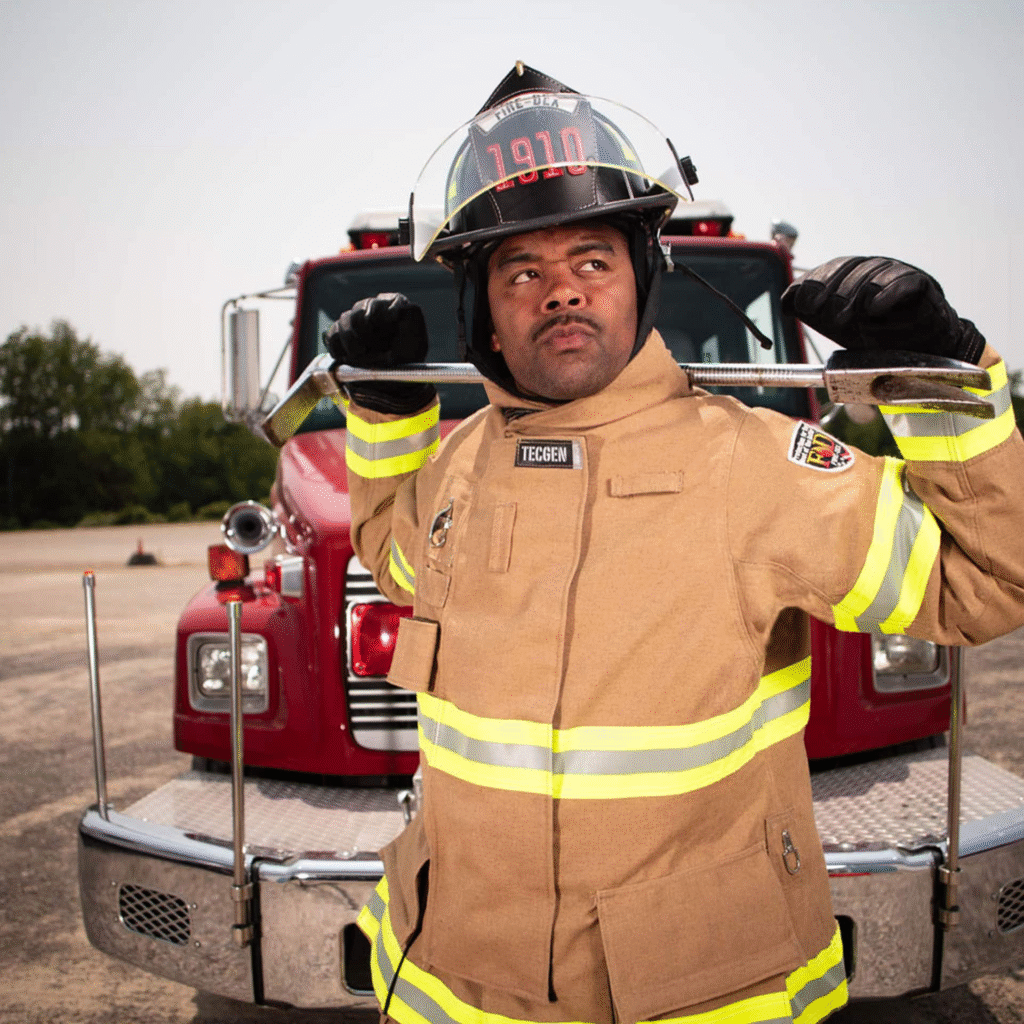
Firefighter turnout gear (also called bunker gear) is the full set of protective clothing worn by structural firefighters when responding to fires and other emergencies. It is designed to protect against heat, flame, steam, sharp objects, chemicals, and some electrical hazards.
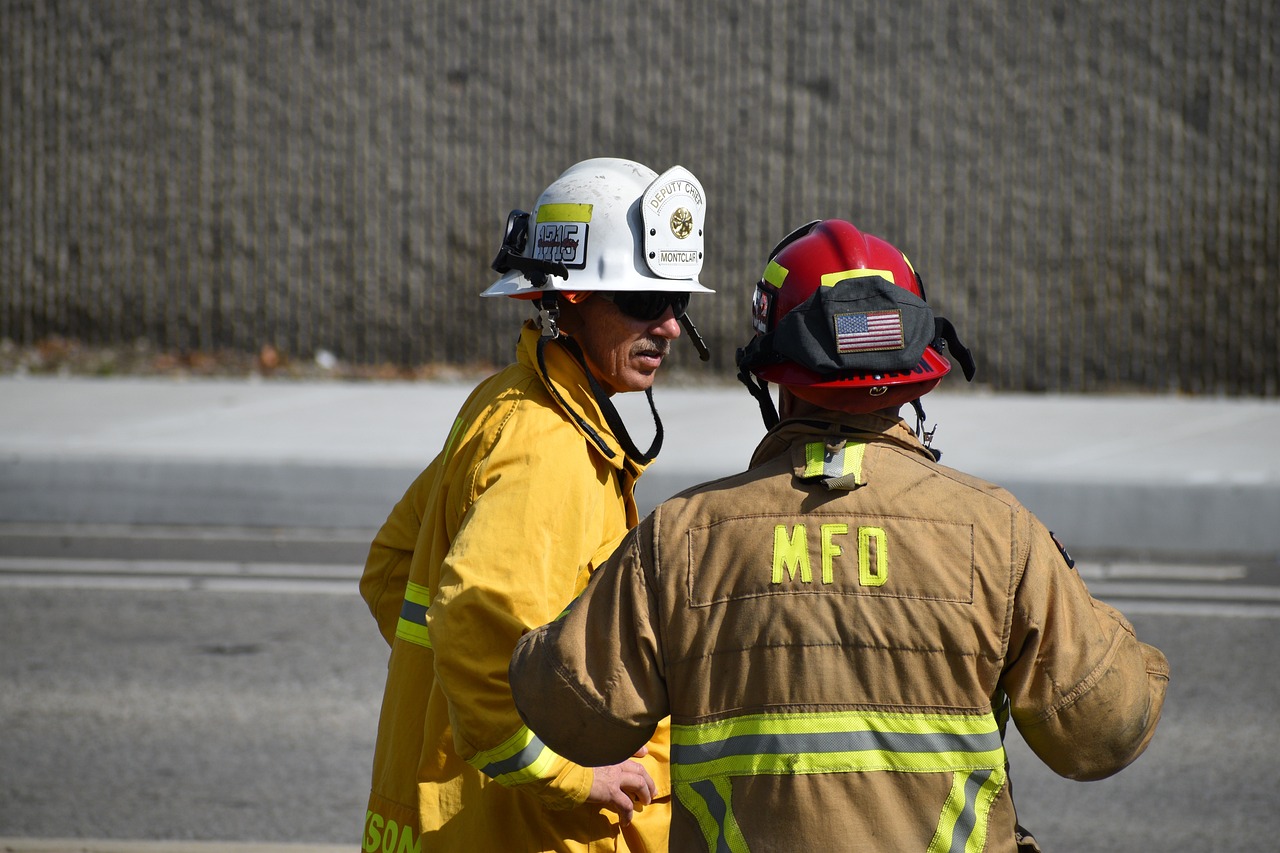
Standard structural turnout ensembles typically include a coat, pants, boots, helmet, gloves, hood, and often a self-contained breathing apparatus (SCBA) worn over or integrated with the clothing. The term “turnout gear” comes from the idea of “turning out” from the station to respond.
Turnout gear vs other firefighter PPE
Turnout gear is one part of a broader firefighter personal protective equipment (PPE) system. Turnout clothing focuses on thermal, flame, and physical protection for the body, while other PPE covers breathing, eyes, hearing, and special situations.
Key distinctions include:
-
Structural turnout gear: Used for building fires, vehicle fires, and many all-hazard responses, prioritizing thermal and flame protection.
-
Wildland gear: Lighter, more breathable clothing for brush and wildland fires, typically not as heavy or insulated as structural gear.
-
Specialty ensembles: Hazmat, proximity (for ARFF), and technical rescue gear tailored to specific risks.
Understanding this difference helps departments choose the right ensemble for each type of incident.
The three-layer system in turnout gear
Modern structural turnout coats and pants use a three-layer construction that works as an integrated system: outer shell, moisture barrier, and thermal liner. Each layer has a specific job, and together they provide heat and flame resistance, physical durability, and limited protection from liquids and steam.
The performance of the gear depends on the combination of these layers, not just any single material. Manufacturers tune this system to balance protection, mobility, weight, and heat stress.
The outer shell
The outer shell is the visible exterior fabric of the coat and pants. Its main job is to resist flame, abrasion, cuts, and general wear and tear.
Common features of the outer shell:
-
Flame-resistant fibers such as aramid blends (often Nomex, Kevlar, PBI, or similar) that do not melt and drip under high heat.
-
High tear and abrasion resistance so the gear doesn’t easily rip on glass, metal, or building debris.
-
Durable water resistance treatments to help shed water and some chemicals.
The outer shell also carries reflective trim, clasps, zippers, pockets, and reinforcements at knees, cuffs, and elbows. While it contributes some thermal protection, its primary role is to protect the inner layers and handle mechanical abuse.

The moisture barrier
The moisture barrier sits between the outer shell and the thermal liner. Its function is to block water, common chemicals, bloodborne pathogens, and some steam while remaining breathable enough to let perspiration vapor escape.
Key characteristics include:
-
Laminated film or membrane bonded to a substrate, which stops liquid water and many contaminants from passing through.
-
Limited vapor permeability, allowing water vapor from sweat to move outward and reduce internal dampness.
-
Protection from steam burns, by slowing the movement of hot water and steam through the garment.
If the moisture barrier becomes damaged or delaminated, firefighters can be more vulnerable to scalding, chemical exposure, and increased heat transfer. Regular inspection is critical to ensure it is intact.
The thermal liner
The thermal liner is the innermost layer of the coat and pants, closest to the firefighter’s body. Its main purpose is to provide insulation against heat and to help create air pockets that slow heat transfer.
Typical features:
-
Quilted multi-layer fabric, often using aramid blends and insulating batting.
-
Air gaps that trap air, which is a key insulator and a major contributor to thermal protection.
-
Comfort lining surfaces that reduce friction, help manage moisture, and feel comfortable over base layers.
The thermal liner’s thickness and structure heavily influence the garment’s Thermal Protective Performance (TPP) rating and its effect on heat stress. More insulation can improve protection but may also trap more heat and reduce breathability.
Coat, pants, and suspenders
The turnout coat and pants are the core clothing pieces in structural firefighting PPE, designed to work together as a single protective system.
The turnout coat typically includes:
-
A three-layer construction (outer shell, moisture barrier, thermal liner).
-
Closure systems like zippers with storm flaps and hook-and-loop to seal out heat and smoke.
-
Reinforced elbows and shoulders for durability where stress is greatest.
-
High-visibility reflective trim for visibility in smoke and low-light conditions.
-
Pockets and attachment points for radios, flashlights, hand tools, and safety equipment.
The turnout pants often feature:
-
Reinforced knees and cuffs to handle kneeling and drag across rough surfaces.
-
Built-in or compatible suspenders to support weight comfortably and keep pants in place.
-
Adjustable waist and leg closures to seal over boots and improve fit.
Together, coat and pants must overlap adequately so skin is not exposed when reaching, bending, or crawling. Proper sizing and adjustment are essential to maintain that overlap in real-world movements.
Boots, gloves, hood, and helmet
While many people use the term turnout gear to refer mostly to coat and pants, several additional components are vital parts of the protective ensemble.
Firefighting boots:
-
Made from rubber or leather with flame-resistant and puncture-resistant features.
-
Include steel or composite toes, midsole plates, and slip-resistant soles.
-
Often have insulation and moisture barriers to protect from heat and water.
Firefighting gloves:
-
Use layered construction to protect against flames, cuts, abrasions, and some liquids.
-
Must balance dexterity with thermal protection so firefighters can operate tools and equipment.
Protective hood:
-
Typically made from flame-resistant knit fabrics like Nomex or PBI blends.
-
Covers the neck, ears, and areas around the face not covered by the SCBA facepiece.
-
Fills the gap between helmet and coat, protecting vulnerable skin from convective and radiant heat.
Helmet:
-
Provides impact, penetration, and limited heat protection for the head.
-
Works with face shields, goggles, or integrated eye protection.
-
Often includes ear covers, chinstrap, and accessories like helmet lights and identifiers.
Together, these items complete the structural ensemble and work with coat and pants to provide head-to-toe protection.

SCBA and the full PPE ensemble
Turnout gear alone does not protect the respiratory system from smoke, superheated gases, or toxic atmospheres. For that, firefighters use a self-contained breathing apparatus (SCBA) integrated with the turnout ensemble.
SCBA components include:
-
A high-pressure air cylinder and harness assembly.
-
A pressure regulator and hoses.
-
A full-face mask that seals to the face and connects to the air supply.
When combined with coat, pants, hood, helmet, gloves, and boots, the SCBA creates a complete protective system, allowing firefighters to operate in environments that are immediately dangerous to life and health.
How turnout gear protects firefighters
Turnout gear protects firefighters in several key ways:
-
Thermal protection: Multi-layer insulation slows heat transfer, giving crucial seconds before heat causes injury.
-
Flame resistance: Materials are designed to resist ignition and not melt or drip when exposed to high heat.
-
Physical protection: Outer shells and reinforcements help shield from cuts, abrasions, falling debris, and sharp edges.
-
Moisture and chemical resistance: Moisture barriers help prevent water, steam, some chemicals, and bodily fluids from reaching the skin.
-
Visibility: Reflective trim and bright color options help make firefighters visible to each other and to apparatus operators.
While turnout gear offers substantial protection, it is not heat-proof or fireproof. Firefighters still must limit exposure time, monitor conditions, and use sound tactics to manage risk.
Proper fit, mobility, and heat stress
Correct fit is critical for both protection and performance. Gear that is too tight can restrict movement and increase pressure points, while gear that is too loose can snag, reduce protection, and increase fatigue.
Turnout gear must also balance protection with heat stress management. Heavy, highly insulated gear can trap body heat and moisture, raising the risk of heat exhaustion or heat stroke. For this reason, modern design emphasizes:
-
Better breathability in barrier and liner materials.
-
Ergonomic patterning to improve range of motion.
-
Ventilation features and thoughtful layering recommendations.
Firefighters support this by staying hydrated, rotating crews, and following rehab protocols on scene.
Care, cleaning, and inspection
Turnout gear requires regular care to maintain its protective properties and reduce health risks from contaminants. Good practice includes:
-
Routine cleaning to remove soot, carcinogenic residues, and biological contaminants.
-
Following manufacturer and standard-setting guidance for washing, drying, and decontamination.
-
Frequent visual and tactile inspections for rips, worn areas, damaged seams, delamination, or hardware failures.
-
Periodic advanced inspections and testing by qualified personnel.
Failing to clean gear properly can increase absorption of contaminants and degrade materials over time. Departments increasingly adopt clear policies for on-scene gross decon, routine laundering, and proper storage.
Service life and replacement
Turnout gear does not last forever. Over years of exposure to heat, UV light, physical wear, and contaminants, materials degrade and lose performance. Many standards and best-practice guidelines set a maximum recommended service life for structural turnout gear, assuming normal use and maintenance.
Reasons to repair or replace turnout gear include:
-
Visible damage to the outer shell, moisture barrier, or thermal liner.
-
Loss of water resistance or delamination in the moisture barrier.
-
Compromised reflective trim or closures that affect safety.
-
Contamination from hazardous chemicals or biological agents that cannot be fully removed.
Departments often track gear by serial numbers and dates, using inspection records to decide when to retire or repair garments.
Choosing turnout gear: basics for beginners
For those new to the fire service, selecting turnout gear can feel overwhelming. At a basic level, beginners should look for:
-
Compliance with applicable standards for structural firefighting.
-
Proper sizing and fit after trying on gear with boots and SCBA.
-
Comfortable range of motion for crawling, climbing, and tool work.
-
Weight and balance that feel manageable during extended wear.
-
Features that match the department’s typical hazards and operational profile.
While departments usually set specifications and purchase in bulk, individual firefighters benefit from understanding these factors so they can provide informed feedback and ensure their gear is adjusted correctly.
Final thoughts for new firefighters
Firefighter turnout gear is more than a uniform; it is life-saving equipment built from carefully engineered layers and components. For beginners, learning what each piece does, how it fits, and how to care for it is as important as learning hose handling or ladder work.
By understanding the basics of coats, pants, boots, gloves, hoods, helmets, and SCBA—and how they all work together—new firefighters can better protect themselves, respect the limitations of their gear, and build safe habits that will carry through their entire careers.
